Coaching.
Coaching has traditionally been based on experience and intuition, with coaches making decisions based on observation and basic data points like heart rate and speed. However, AI is shifting the coaching paradigm to a more data-driven approach.
Modern AI-powered coaching systems analyze vast amounts of data that cyclists generate during their rides. These systems can track variables such as cadence, power output, heart rate, and even terrain. Using this data, AI coaches provide personalized feedback and create customized training plans. This is a game-changer for both amateur and professional cyclists.
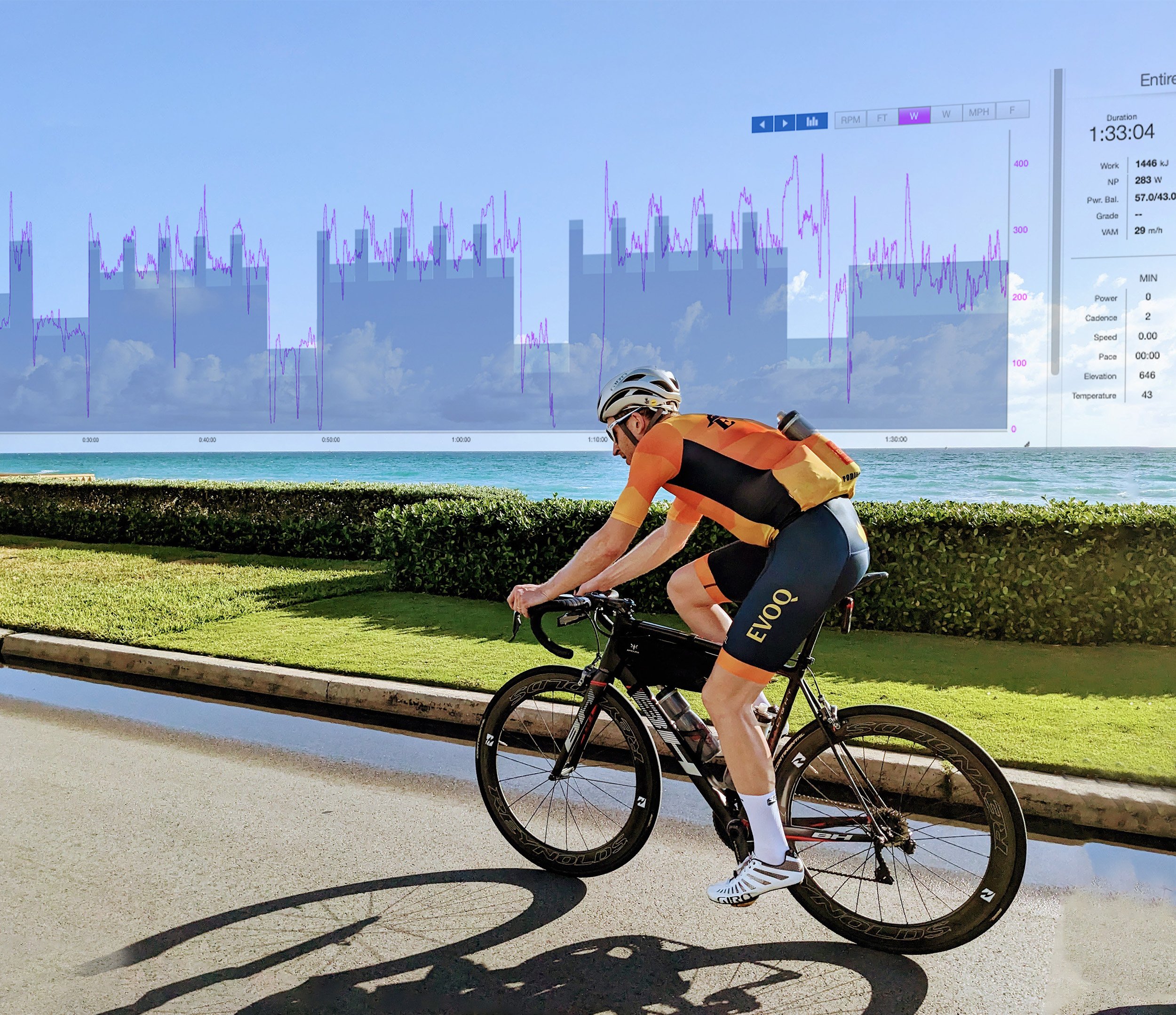
One notable example is the platform TrainAsONE, which uses AI algorithms to design individualized training plans. The system adapts in real-time to a rider's performance, helping cyclists maximize their potential while preventing overtraining. AI can also integrate with smart bike computers and fitness trackers, providing real-time coaching cues during rides. Cyclists can receive instant feedback on their pacing, technique, and nutrition needs, making training more effective and efficient.
The use of AI in personalized coaching allows athletes to train smarter by continuously adapting to their unique physiological responses, optimizing recovery times and pushing their limits without the risk of injury. AI coaches usually cost a year what a human coach charges in a month. However, AI coaches don’t need money to live, and they can’t have meaningful conversations about the joys of getting lost on back roads while riding a gravel bike for fun.
Modern AI-powered coaching systems analyze vast amounts of data that cyclists generate during their rides. These systems can track variables such as cadence, power output, heart rate, and even terrain. Using this data, AI coaches provide personalized feedback and create customized training plans. This is a game-changer for both amateur and professional cyclists.

One notable example is the platform TrainAsONE, which uses AI algorithms to design individualized training plans. The system adapts in real-time to a rider's performance, helping cyclists maximize their potential while preventing overtraining. AI can also integrate with smart bike computers and fitness trackers, providing real-time coaching cues during rides. Cyclists can receive instant feedback on their pacing, technique, and nutrition needs, making training more effective and efficient.
The use of AI in personalized coaching allows athletes to train smarter by continuously adapting to their unique physiological responses, optimizing recovery times and pushing their limits without the risk of injury. AI coaches usually cost a year what a human coach charges in a month. However, AI coaches don’t need money to live, and they can’t have meaningful conversations about the joys of getting lost on back roads while riding a gravel bike for fun.
Comments
Post a Comment